Common Injuries From Airbag Deployment: Causes, Treatment, and Legal Rights
During a car accident, airbags can deploy in milliseconds, protecting the driver and passengers from serious injuries to the head, chest, and other parts of the body. But many people don't know that when these same airbags deploy, they can also cause problems such as facial injuries, eye damage, chest pain, or skin burns.
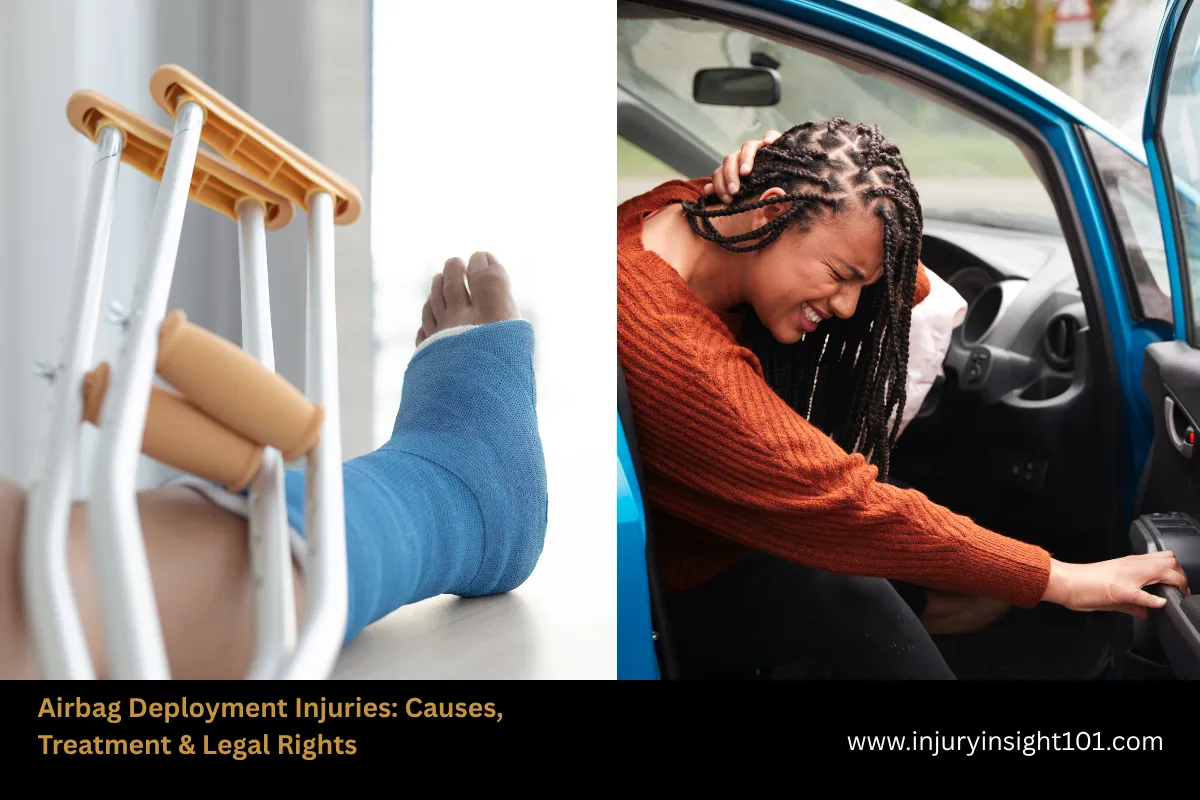
Just because a car's airbag has deployed after an accident doesn't mean that all danger has passed. Some injuries are immediately noticeable, while other symptoms may not appear until hours later. In particular, if you are injured in an accident and also suffer injuries caused by an airbag, the issue of treatment, compensation, and determining legal liability can become more complicated.
So, what exactly are common injuries from airbag deployment? Which symptoms should not be ignored, and when is it possible to file a legal claim against the car manufacturer for airbag defects? Knowing these things makes it easier to take the right steps after an accident.
What Are the Most Common Injuries From Airbag Deployment?
Airbags are usually designed to protect the body from hitting the steering wheel, dashboard, or other hard parts of the car during an accident. However, they deploy very quickly and with great force. As a result, various types of injuries can occur if the driver or passenger is too close to the airbag or if the body position is not correct.
According to the National Highway Traffic Safety Administration (NHTSA), airbags provide the best protection when used with seat belts. Airbags alone are not a substitute for seat belts.
Facial Injuries and Bruising
When an airbag deploys, direct impact to the face can occur. This can result in pain, swelling, bruising, or cuts to the nose, lips, cheeks, jaw, and around the mouth.
In some cases, teeth can be broken, there can be a bruise inside the lip, or there can be a bruise to the jaw. The risk of injury increases if the face is too close to the steering wheel or dashboard during an accident.
Even if there is only slight swelling in the face, it is important to seek medical attention if there is severe pain, loose teeth, difficulty moving the jaw, or bleeding. These symptoms can sometimes indicate a deeper injury.
Eye Injuries From Airbag Deployment
Eye injuries from airbags are a significant risk. Direct impact, friction from the airbag, or dust and chemical residue associated with it can cause eye irritation.
Possible problems include:
- Redness and watering of the eyes
- Scratches or wounds to the cornea
- Eye pain or difficulty tolerating light
- Blurred vision
- In severe cases, bleeding or other injuries inside the eye
Severe eye pain, decreased vision, or sudden blurred vision require immediate emergency medical attention. Do not rub your eyes or self-medicate.
Burns and Skin Irritation
Friction burns can occur during airbag deployment. The rapid deployment of the airbag can cause red, irritated, or sore skin on the face, hands, arms, or chest.
Byproducts and dust from the chemical process used to deploy the airbag can also cause temporary skin or eye irritation in some people. However, such burns and actual thermal burns are not the same thing; the type of injury needs to be determined by examination.
If there is blistering, severe pain, or extensive skin damage at the site, seek medical attention. Burns or skin lesions caused by airbags may also be relevant to future compensation claims.
Chest and Rib Injuries
Chest pain, rib injuries, and injuries to the breastbone (sternum) can occur after an airbag deploys. However, similar injuries can also occur from the pressure of a seat belt, impact with the steering wheel, and body contact inside the vehicle during an accident.
Possible symptoms include:
- Feeling pain or pressure in the front of the chest
- Increased pain when taking a deep breath
- Pain when touching the ribs
- Difficult breathing
It is dangerous to ignore chest pain as just normal pressure from the airbag. If you experience symptoms such as difficulty breathing, increasing chest pain, fainting, or blue lips, seek emergency medical attention. These may be signs of broken ribs or injury to the lungs or other internal organs.
Neck and Back Injuries
The sudden movement of the body during a car accident and the impact of the airbag can cause neck and back pain. However, the airbag is not always the cause of these injuries; the force of the collision and the position of the body are also important.
Possible problems include:
- Whiplash injury or strain in the neck muscles and ligaments
- Stiff neck
- Pain in the back muscles
- Injury around the spine
- Pain or tingling in the arms or legs
If you have severe neck or back pain after an accident, do not try to move your neck or straighten your spine on your own. If you have weakness or numbness in your arms or legs, or difficulty walking, seek emergency medical attention.
Arm, Hand, and Wrist Injuries
Many drivers hold the steering wheel tightly during an accident. When the airbag deploys, the hands and arms can be injured. This can result in problems such as sprained wrists, bruised fingers, cut hands, or broken bones.
Such damage can also occur if the hand hits the steering wheel or other parts of the car when the airbag deploys. If your hand is swollen, you have difficulty gripping, the pain persists, or your fingers feel numb, you should see a doctor.

Hearing Loss and Ear Injuries
When the airbag deploys too quickly, it can create a loud noise. In some accidents, this can cause symptoms such as ringing in the ears (tinnitus), ear discomfort, or temporary hearing loss.
However, ear problems are not always caused by the noise of the airbag. The overall sound of the accident, head trauma, or other sources of noise, such as explosions, also need to be considered.
Seek immediate medical attention if you experience sudden hearing loss, severe ear pain, dizziness, or a constant ringing in the ears. Your doctor may recommend a hearing test if necessary.
Why Do Airbags Cause Injuries During a Car Accident?
The job of an airbag is to reduce the risk of injury to the body during a crash. But the speed at which it deploys, the distance from the body, and the type of collision affect the likelihood of injury.
How Airbags Deploy During a Collision
The vehicle's sensors detect the type and severity of the collision. Under certain circumstances, this signal activates the airbag inflator, which inflates the airbag in a very short time.
According to the NHTSA, airbags can deploy in less than the blink of an eye, or less than one-twentieth of a second. This rapid deployment puts the driver or passenger at risk of injury if they are too close to the airbag.
Frontal airbags are generally designed to protect against moderate to severe frontal collisions. Not all airbags deploy in all accidents; this is determined by the design of the vehicle, the location of the sensors, and the type of collision.
Factors That Increase the Risk of Airbag Injuries
Several factors can increase the risk of airbag injuries:
- Sitting too close to the steering wheel: The body is directly in the path of the airbag when it deploys.
- Not wearing a seat belt: The seat belt helps to keep the body in the correct position. Without it, a collision with an airbag can be more dangerous.
- Sitting incorrectly: Sitting with your feet on the dashboard or leaning forward can increase the risk.
- Children riding in the front seat: Front airbags can pose a serious risk to children. The NHTSA recommends that children under the age of 13 be placed in the back seat in an appropriate child-restraint system.
- Defective airbags: A dangerous situation can arise if they are deployed incorrectly, do not deploy when needed, or have a defective inflator.
Remember, it is not possible to conclude that the airbag was defective just because someone was injured when the airbag deployed. The circumstances of the accident, medical information, and, if necessary, a technical examination of the vehicle are important in determining the cause of the injury. NHTSA's Air Bags Safety Guide contains detailed information about airbag operation and safe seating positions.
What Should You Do If You Are Injured by an Airbag?
The first thing to do after an airbag deploys is to ensure the safety of yourself and other passengers. It is important to seek medical advice and preserve evidence of the accident.
Seek Immediate Medical Attention
If the injury is serious, contact emergency services. Instead of driving yourself to the hospital, arrange for an ambulance or other safe transportation if necessary.
Tell the doctor that the airbag deployed during the accident and which part of your body was injured. If you have any symptoms such as pain, burning, eye problems, or difficulty breathing, be clear about them.
Document Your Injuries and the Accident
Collect information about the accident if it is safe to do so. This may include:
- Photos of the vehicle and the accident scene
- Photos of the airbag and vehicle damage
- Photos of visible injuries
- Contact information for other drivers and witnesses
- Police report and insurance information
- Date, time, and description of the accident
Do not remove or replace any airbag components yourself if they are damaged. The condition of the vehicle and the associated components can be important for a specialist to examine if there is a potential defect claim.
Keep Medical Records and Expenses
Keep medical records, prescriptions, hospital bills, medication receipts, medical test results, and follow-up records.
If you are unable to work due to your injury, wage loss information and employer records may also be useful. Keep your doctor's referrals in case you need medical treatment in the future. Provide accurate information when contacting your insurance company. Avoid making assumptions about the outcome of your treatment or the extent of your injury without being sure. If you have a legal claim, understand the terms of the settlement thoroughly before agreeing to it.

Can You Claim Compensation for Injuries Caused by Airbag Deployment?
Yes, in certain circumstances, an injured person can claim compensation for airbag deployment. However, the mere fact that an airbag deployed in an accident and caused the injury does not guarantee compensation.
The basis for a claim depends on the cause of the injury, the other party’s liability, the evidence, and applicable law. In California, such claims can sometimes be included with a personal injury claim for a car accident, or with a claim for defective products or product liability.
Who Is Liable for an Injury Caused by an Airbag?
Depending on the circumstances of the incident, one or more parties may be liable:
- The other driver: If the accident was caused by the other driver’s negligence or violation of traffic laws.
- The vehicle manufacturer: If the airbag inflated abnormally due to a defect in the design or manufacture of the vehicle.
- The airbag manufacturer or supplier: If the damage was caused by a defective airbag or inflator.
- Repairer: Damage caused by faulty repairs or improper replacement of the airbag.
However, who is liable depends on the evidence. Even if an airbag deploys normally, serious injuries can still occur in an accident. Therefore, not every airbag-related injury is considered a product defect.
Can You Sue the Manufacturer for a Defective Airbag?
If an injury is caused by a design defect, manufacturing defect, or lack of adequate safety warnings for an airbag, a product liability lawsuit can be filed in California against the manufacturer or another responsible entity under applicable circumstances.
Such a claim usually requires showing that the product had a relevant defect and that the defect caused the injury or damage. The vehicle model, airbag components, recall history, accident information, and expert opinion can be important. You can view vehicle safety recalls on the U.S. National Highway Traffic Safety Administration (NHTSA) website. If your vehicle is covered by an airbag recall, save the relevant information and contact an authorized repair center.
How Much Compensation Can You Recover?
If your claim is successful and found to be legitimate, potential compensation may include:
- Medical Expenses: Costs for emergency treatment, hospitalization, tests, medications, and rehabilitation.
- Lost Wages: Lost income due to absence from work due to an injury.
- Lost Future Earning Ability: Proven loss of future earning ability due to an injury.
- Pain and Suffering: Compensation for physical pain, emotional distress, and the impact on your daily life.
- Property Damages: Damage to your vehicle or personal property in an accident, if it is included in the applicable claim.
The amount of compensation available depends on the evidence of the incident, the outcome of the medical treatment, the allocation of liability, and applicable law.

California Laws and Vehicle Code Sections to Know
Several laws may be relevant when considering an airbag injury claim in California.
California Vehicle Code § 27315 — Seat Belt Law
This section contains regulations for the use of seat belts for drivers and passengers of certain motor vehicles. Properly worn seat belts help stabilize the body in the event of a crash and provide effective airbag protection. However, a violation of the seat belt law does not automatically constitute negligence in a civil case; the law has specific provisions regarding comparative fault.
California Code of Civil Procedure § 335.1 — Personal Injury Deadline
Generally, the statute of limitations for filing a personal injury lawsuit in California due to the wrongful act or negligence of another is two years. However, exceptions or different rules may apply depending on the type of case, the defendant, and the particular circumstances.
Comparative Negligence
California may apportion liability if multiple parties were negligent. For example, if another driver was negligent in an accident, but the injured person’s behavior also contributed to the severity of the injury—in such cases, the amount of compensation may be reduced. How an airbag injury claim is evaluated depends on the evidence and applicable law.
These laws do not apply to all types of airbag injury claims in the same way. In particular, product defect claims and claims against government agencies may have different statutes of limitations or procedures. Therefore, it is beneficial to consult with a California personal injury lawyer to verify the legal statute of limitations.
How Can You Prevent Airbag Deployment Injuries?
Not all airbag injuries can be prevented. However, sitting properly, wearing seat belts, and keeping your vehicle’s safety features on can help reduce the risk.
Maintain a Safe Sitting Posture
Position the driver’s seat so that you are a safe distance from the steering wheel and have no difficulty controlling the vehicle. NHTSA recommends that you keep about 10 inches of distance between your chest and the steering wheel if possible, but it is also important to maintain the vehicle's guidelines and safe control.
Avoid sitting with your feet on the dashboard, leaning forward, or resting your body on the airbag cover.
Wear Your Seat Belt Correctly
Wear the lower part of the seat belt low across your hips and upper thighs, never across your stomach, and the shoulder part across your chest. Do not wear the belt under your armpits or behind your back. Seat belts and airbags are designed to work together. So it is not safe to use one without the other.
Follow Airbag Safety Guidelines
Use a car seat or booster seat that is appropriate for your child's age and size. It's recommended that children under 13 years of age sit in the back seat. A rear-facing infant seat should not be placed in front of an active front airbag.
Also:
- If your car's airbag warning light comes on, have it checked by a service center.
- Check to see if there are any safety recalls after buying a car.
- Have a used airbag replaced at an authorized repair center after an accident.
- Do not attempt to repair or disable the airbag yourself.
Proper use of airbags and seat belts helps reduce the risk of serious injury in an accident.
Conclusion
Injuries caused by airbag deployment are a significant aspect of an accident, often overshadowed by vehicle damage or more visible injuries. If you experience any symptoms of injury to the face, eyes, chest, neck, back, hands, or ears, it is important to seek immediate medical attention and keep the necessary documentation.
If you suspect an injury caused by an airbag deployment, keep vehicle parts, recall information, and evidence of the accident. In California, depending on the circumstances, you may be able to sue for personal injury or product liability, but evidence and applicable law are important in determining liability and compensation.
After an accident, prioritize your health, follow your doctor’s instructions, and seek legal advice if necessary. Accurate information and timely action can help with both future medical treatment and potential compensation claims.
Frequently Asked Questions About Injuries Caused by Airbag Deployment
Can Airbags Save Lives and Still Cause Injuries?
Yes. Airbags can protect the head and chest from the hard parts of the vehicle during an accident, but they can also cause injuries from friction, impact, or other factors when deployed. Just because someone is injured by an airbag does not mean that the airbag was defective.
How Long Does It Take to Heal From an Airbag Injury?
The amount of time it takes to recover depends on the type and severity of the injury. A minor skin irritation or bruise can take anywhere from a few days to a few weeks to heal. On the other hand, broken bones, serious eye injuries, or spinal cord injuries can take longer to heal. It is important to follow up as directed by your doctor.
Is There Compensation for Burns Caused by Airbags?
Yes, in certain circumstances you can claim compensation for burns caused by airbags. However, factors such as how the injury occurred, whether the airbag was defective, the other party's liability, and medical evidence are considered. Just having a burn mark is not enough to secure compensation.
Should You See a Doctor After an Airbag Deploys?
If you experience any injuries, pain, eye problems, or other unusual symptoms after an airbag deploys, you should seek medical attention. You may still need to see a doctor after a serious accident, even if there are no external injuries. If you experience symptoms such as difficulty breathing, severe chest pain, loss of consciousness, or vision loss, seek emergency medical attention.